

Why an ALTA Title Survey Can Catch Easements Before Closing
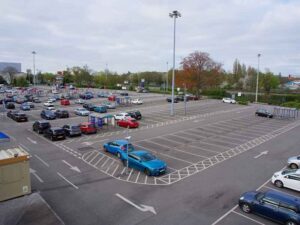
A business deal closes on a property. Six months later, the new owner finds out a utility company has a permanent easement running through the exact spot where they planned to build a loading dock. Nobody lied. Nobody hid anything. The easement was on record the whole time. It just never got checked against the real site before closing.
This is the kind of problem an ALTA title survey is made to catch. It combines a boundary survey with a check of recorded title papers. This lets buyers, lenders and developers see the full picture before any money changes hands.
Reviewing Recorded Information Before a Property Purchase
An ALTA title survey starts with the title commitment. This is a paper from the title company that lists every recorded item tied to the property. This includes easements, rights-of-way, rules called covenants, and anything else on record that could affect how the land can be used.
The surveyor takes that list, called Schedule B items, and marks each one on the real property. This step matters a lot. A title commitment tells you an easement exists. But it does not show you where it sits or how it affects your plans.
Tuscaloosa keeps growing, especially near the University of Alabama and out toward McFarland Boulevard. In a market like this, this kind of check often turns up things buyers did not expect. Utility easements, access deals with nearby land, and old rights-of-way from past building projects show up often.
Why the Title Commitment Alone Is Not Enough
A title commitment is a legal paper, not a site map. It tells you what exists on paper. Only a survey shows you where those things actually sit on the land and whether they get in the way of your plans.
How ALTA Surveys Reveal Easements on Commercial Properties
Business properties usually carry more recorded easements than home lots. This happens because of utility lines, shared driveways, and past changes in ownership. An ALTA survey maps each of these right onto the property line.
A full ALTA survey for a business site usually shows:
- The exact spot and width of recorded easements
- Utility lines, poles and other things you can see above ground
- Access driveways shared with nearby properties
- Setback lines required by local zoning rules
- Places where a building or structure crosses a boundary or easement line
Seeing this information on a map, instead of hearing it explained in legal words, makes it much easier to spot a problem. A loading dock, a parking lot, or a building addition planned without this check can run straight into an easement nobody knew about.
Identifying Site Conditions That Differ From Records
Recorded papers describe what should be true about a property. But they do not always match what is really there. An ALTA survey catches the gap between the two.
Common mismatches include:
- A fence, wall or driveway built outside the recorded property line
- A building that crosses into a setback area or easement
- An access easement that was never actually built or used the way the papers describe
- Utility lines running in a different spot than old records show
These mismatches matter most when they affect where a buyer wants to build, park or add on. A surveyor flags each one. This way, the buyer, their lawyer, and the title company can fix it before closing, not after.
Supporting Due Diligence Before Real Estate Closing
For lenders, buyers and title companies, an ALTA survey is a normal part of checking a property before a business deal or a bigger home deal closes. It gives everyone the same clear, correct picture of the property before any money gets released.
Ask for these things as part of the closing process:
- An ALTA/NSPS survey made to current national rules, not an old boundary survey
- Proof that the survey matches the current title commitment, including any recent changes
- A check of the extra Table A items that matter for the property, like zoning type or flood zone data
- Enough time before closing for the surveyor to do fieldwork and work with the title company
Timing matters more than people think. ALTA surveys take longer than a basic boundary survey. This is because they need work with the title company and a close look at recorded papers. Order it as soon as the property goes under contract, not the week before closing.
Addressing Easement Issues Before Development Begins
Finding an easement problem before closing gives everyone more choices. Finding it after closing, once building plans are already moving, usually costs more time and money to fix.
If an ALTA survey finds a conflict, buyers and developers usually have a few options. They can talk with the seller to fix or remove the issue before closing. They can change the site plan to work around the easement. Or, in some cases, they can try to get a formal release or move the easement, working with the utility company or whoever holds it.
Every case is different. What you can do depends on the type of easement, who is involved, and local rules. Talk to a real estate lawyer and your surveyor once a problem shows up. Do not assume a fix will be quick or easy.
For developers planning new construction, this check should happen before the final site design, not after. An easement that blocks a planned building spot is much easier to plan around when you know about it early.