

When a Property Survey Shows a Shared Driveway Issue Before Closing
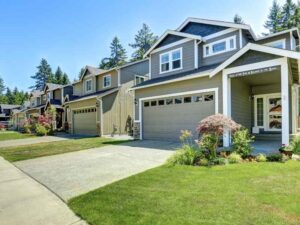
A shared driveway can feel like a small detail until a property survey shows it crosses a boundary line no one expected. Where many older neighborhoods and newer subdivisions sit close together, this happens more often than buyers assume. A survey finding like this does not have to stop a closing, but it does need attention.
The key takeaway is simple. If your survey flags a shared driveway problem, do not ignore it and do not panic. Get clear answers before you sign anything.
How a Property Survey Identifies a Shared Driveway Issue
A property survey maps the exact boundary lines of a lot based on legal descriptions, recorded plats and physical evidence found on the ground. When a surveyor walks a property, they compare what exists in the field, like pavement, fences and gravel, to what the legal records say should be there.
A shared driveway issue shows up when the paved or graveled surface does not match the recorded boundary. Sometimes the whole driveway sits on one lot. Sometimes it splits between two lots without any formal agreement. Either way, the survey is doing its job by showing you the truth on the ground instead of what everyone assumed for years.
This is common in older parts where lots were platted decades ago and driveways were built based on convenience rather than exact measurements. It also shows up in newer developments where grading and paving crews worked slightly off the marked lines.
When the Driveway Crosses a Property Boundary
A driveway that crosses a boundary line means part of it sits on a neighbor’s land. This does not automatically mean a legal problem, but it does mean the situation needs to be documented and understood before closing.
Buyers should ask a few direct questions when this shows up on a survey:
- Has the driveway always crossed the line, or is this a recent change?
- Is there a written agreement allowing shared use?
- Could the encroachment affect future construction, fencing or landscaping plans?
A surveyor cannot tell you whether an agreement exists. That is a job for a title company or real estate attorney. What the surveyor can do is show you exactly how much of the driveway sits on each side and how far off the line it runs.
Lenders often require this kind of detail to be resolved before funding a loan, especially for properties near the university area or in older neighborhoods with tighter lot lines.
How Recorded Access Rights Affect the Survey Finding
Recorded access rights, often called easements, can change how serious a shared driveway issue really is. An easement is a legal right for one property owner to use part of another owner’s land for a specific purpose, like a driveway.
If a driveway easement is recorded, the survey will typically show it, and the crossing becomes expected rather than a surprise. If no easement is recorded, the survey finding becomes more important because there may be no legal protection for continued use of that shared space.
Recorded easements can vary based on when the property was platted, how the county recorded past agreements and whether previous owners formalized verbal arrangements. A survey shows where the driveway sits. Title research shows what rights exist. Both pieces matter, and neither one replaces the other.
Buyers should not assume a driveway has always been shared just because it looks that way today. Confirm it through recorded documents, not through appearance alone.
Why This Matters for Local Buyers
Tuscaloosa continues to see steady residential growth, along with infill development near established streets. As older lots get resurveyed for sales or renovations, more shared driveway situations come to light simply because properties are being measured more precisely than they were decades ago.
What Buyers Should Review Before Moving Toward Closing
Once a survey flags a shared driveway issue, buyers have specific items to review before moving forward.
Start with the survey itself. Confirm the surveyor clearly marked where the driveway sits in relation to the property lines. Ask for measurements, not just a general description.
Next, request title records related to any easements, agreements or past disputes involving the driveway. A title company or attorney can pull these documents and explain what they mean for future ownership.
Also consider practical questions:
- Will the shared use affect snow removal, repairs or repaving costs down the road?
- Could a future owner on the other side block access?
- Does the lender require the issue resolved before closing?
These are not questions to guess on. They are questions to confirm in writing.
Resolving Survey Questions Before the Transaction Is Finalized
Most shared driveway issues can be resolved before closing, but the path depends on the specific situation. Some buyers negotiate a formal easement agreement with the neighboring property owner. Others adjust the purchase agreement to reflect the finding. In some cases, the survey simply confirms an existing easement and no further action is needed.
Requirements can vary by property type, lender, title company and county, so do not assume one solution fits every situation. If your closing timeline depends on resolving this issue, raise it with your surveyor, agent and title company as early as possible. Waiting until days before closing limits your options and adds unnecessary stress.
A clear, updated property survey gives everyone involved, including buyers, sellers, lenders and neighbors, the same accurate picture of where the boundary lines actually sit.
Frequently Asked Questions
Does a shared driveway always mean a legal problem?
Not always. It depends on whether a recorded easement or agreement supports the shared use. The survey identifies the physical crossing. Title research confirms the legal standing.
Can closing still happen if the survey shows a driveway encroachment?
Often yes, but it depends on the lender, title company and how serious the encroachment is. Some closings proceed with an agreement in place, while others require the issue resolved first.
Who pays to fix a shared driveway boundary issue?
This varies by negotiation between the buyer, seller and sometimes the neighboring property owner. There is no standard rule, so it should be discussed directly during the transaction.