

Land Surveying Becomes More Meaningful After Years of Small Property Improvements
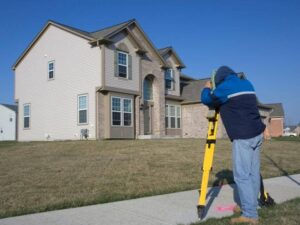
Land surveying means something different to a person who’s owned their home for fifteen years than it does to someone who just closed. The land is the same. The documentation covers the same boundaries. But the owner has changed, and the property has changed with them, and accurate information about it carries more weight when years of personal work are tied to it.
The First Version of the Property Was Never the Final Version
Most people move into a house with a list of things they want to change. Some of those things get done in the first year. Others wait. A few turn into something different from what was originally planned, and a handful of ideas that weren’t on any list at all end up becoming the projects people feel best about later.
This is how most properties develop over time. The original condition is a starting point, not a destination. The yard that came with the house rarely matches the yard the owner eventually builds, because the owner’s life changes and the property responds to those changes. A back corner that sat unused for years becomes the spot for a greenhouse. A side yard that seemed too narrow for anything becomes a paved path to a workshop that didn’t exist when the family moved in. Small decisions build on each other and gradually produce something that nobody could have planned at the beginning.
What starts as a series of convenient improvements slowly becomes a property with a clear personality, and the person who shaped it usually has opinions about how well it works and what still needs to happen.
Comfort Has a Way of Raising Expectations
A paved driveway makes parking easier, and it also makes the front of the house look more finished. A finished front creates pressure to address the side yard. A tidied side yard makes the backyard feel like the next project. This is not a complaint. It’s just how ownership works for most people.
As the property gets more comfortable, expectations go up. Owners start noticing things they used to overlook because the obvious problems are gone. A space that felt adequate when the yard was rough starts feeling like it could be something specific once the surrounding area is clean and organized. That shift is partly practical and partly emotional. The owner has invested enough that the property feels worth taking seriously, and that feeling motivates more investment.
Land surveying fits into this process at a natural point. When a property has been through multiple rounds of improvement and the owner is thinking clearly about what comes next, accurate information about what’s already there becomes genuinely useful rather than theoretical.
Pride Grows Faster Than Square Footage
An owner who built a stone patio by hand over two weekends has a different relationship to that patio than someone who hired it out in an afternoon. Both patios do the same job. But the one that took personal effort carries a kind of attachment that’s hard to put a number on, and that attachment extends to the land around it.
This is one of the things that makes long-term property ownership interesting. The financial value of a home is one measure of what it’s worth. The owner’s sense of what it’s worth is often a different number entirely, shaped by the work that went into it and the memory of each project. A garden planted from seed ten years ago has meaning that shows up nowhere in an appraisal, but it shapes how the owner thinks about the property and what they want to protect.
As that kind of attachment builds, the accuracy of what’s documented about the property starts to matter in a personal way, not just a practical one. Owners who care about what they’ve built also care about understanding it correctly.
Land Surveying Helps Preserve the Results of Years of Effort
After years of gradual improvement, a property holds a specific version of itself. It has a particular layout, a set of features placed in particular spots, and a relationship between structures and open space that developed through real decisions over real time. That version of the property is worth understanding accurately.
Land surveying provides documentation that reflects current conditions, not the conditions that existed when the original survey was done. For a property that has changed significantly over the years, that difference matters in several ways:
- Existing improvements can be documented in relation to the boundary, so the owner knows exactly where everything sits
- Remaining space can be measured accurately, which helps when planning future projects that need to fit around what’s already there
- Any discrepancies between what’s on the ground and what’s on record can be identified before they become a problem during a sale or permit application
- The owner has a reliable reference point for conversations with contractors, neighbors or local planning departments
None of this requires the property to have a problem. It just requires an owner who values what they’ve built enough to understand it clearly.
The Property Eventually Starts Reflecting the People Who Live There
Give a family enough years and enough small decisions, and a property stops looking like a generic house on a recorded lot. It starts looking like the people who live there. The garden says something about how they spend their weekends. The workshop says something about what they build. The way the yard flows from one area to the next says something about how they think about space and privacy and use.
That process of a property becoming personal is one of the better things about long-term ownership. It’s also what makes accurate information about the property feel meaningful rather than routine. A person who has shaped a place over many years has reasons to understand it well, and land surveying supports that understanding in a direct and practical way. The property has become something specific. Knowing exactly what it contains and where everything sits is a reasonable thing for its owner to want.
Frequently Asked Questions
Why do small property improvements become more important over time?
Individual projects tend to build on each other and shape how an owner uses and values the property. Over time, they add up to a significant investment of effort, money, and personal attention, changing how the owner thinks about the land.
Can years of improvements affect future plans?
Yes. Existing features and the space they occupy directly influence where new projects can go and how they need to be designed. An owner planning a new addition or structure needs to account for everything already on the property.
How does land surveying support long-term property ownership?
Land surveying provides current, accurate documentation of the property as it exists today. This helps owners understand what they have, plan future changes around existing improvements, and avoid surprises when they need accurate records for permits, sales, or development.
Is land surveying only useful for major renovations?
No. It can be just as valuable for properties that have changed gradually through smaller projects, since those changes can accumulate into conditions that differ significantly from what older records show.
Why do owners become more invested in their property over time?
Personal effort creates attachment. When an owner has spent years shaping a space through their own work and decisions, the property takes on meaning beyond its market value, making accurate information about it even more valuable.